Check out the newest!
Safety Blog
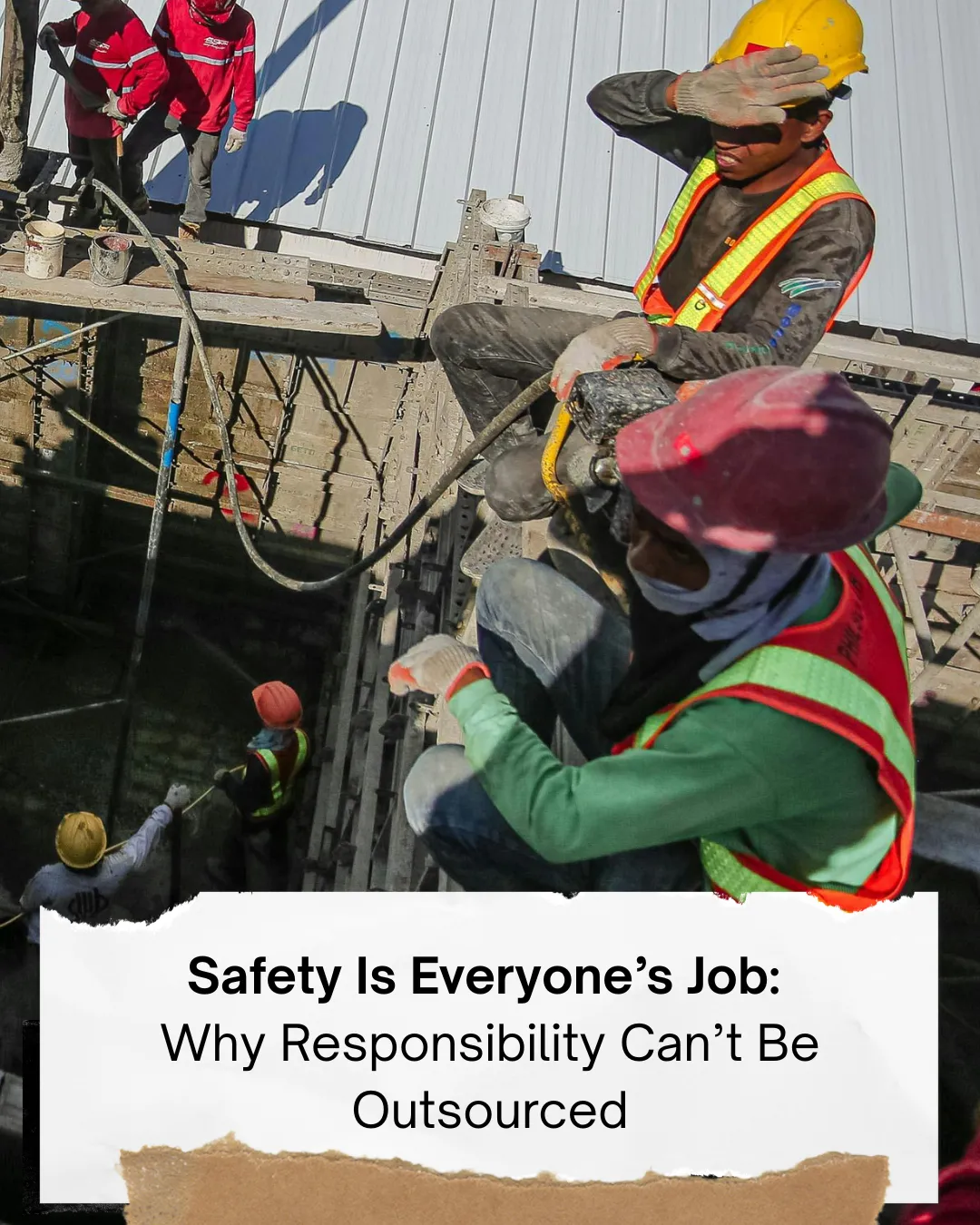
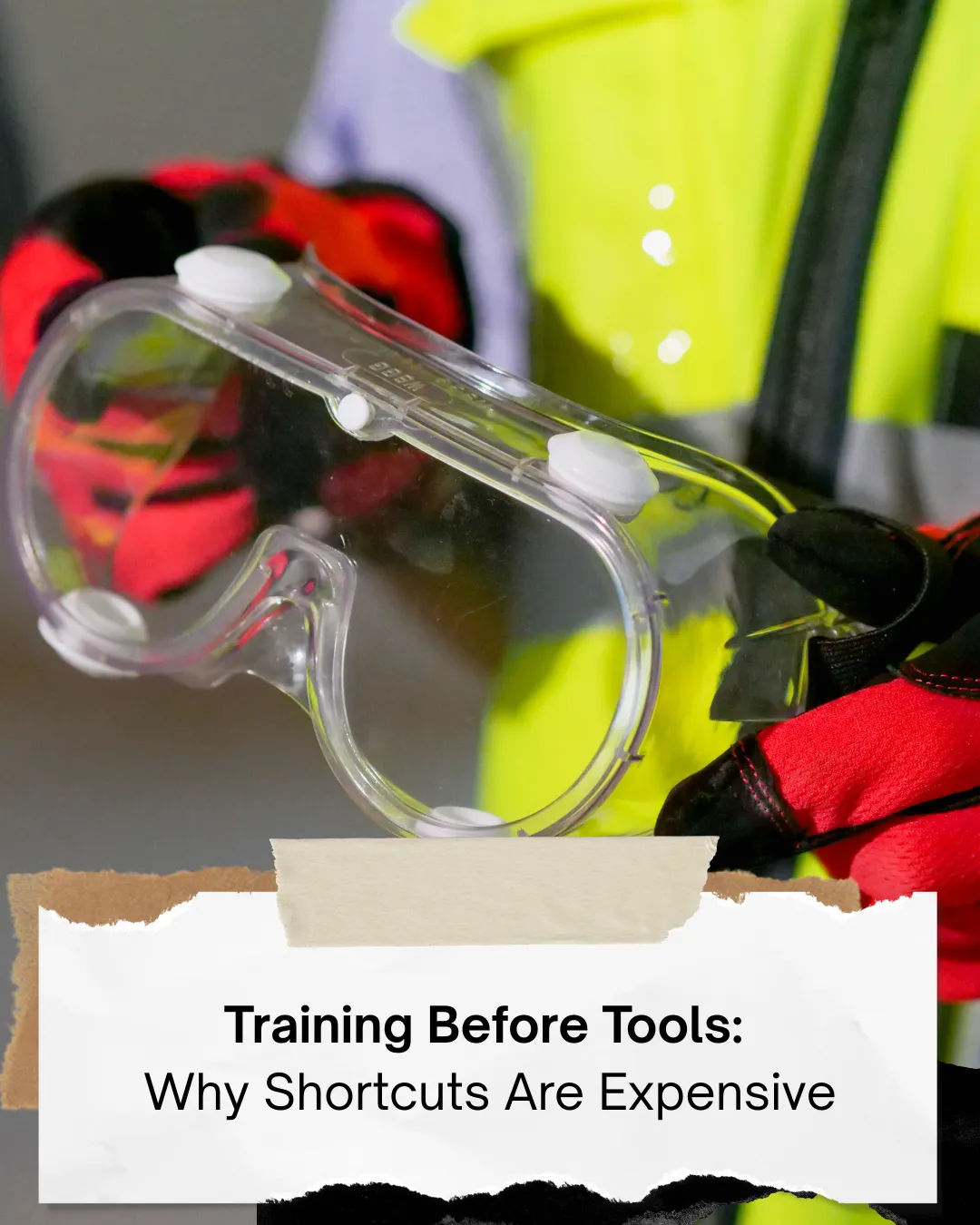
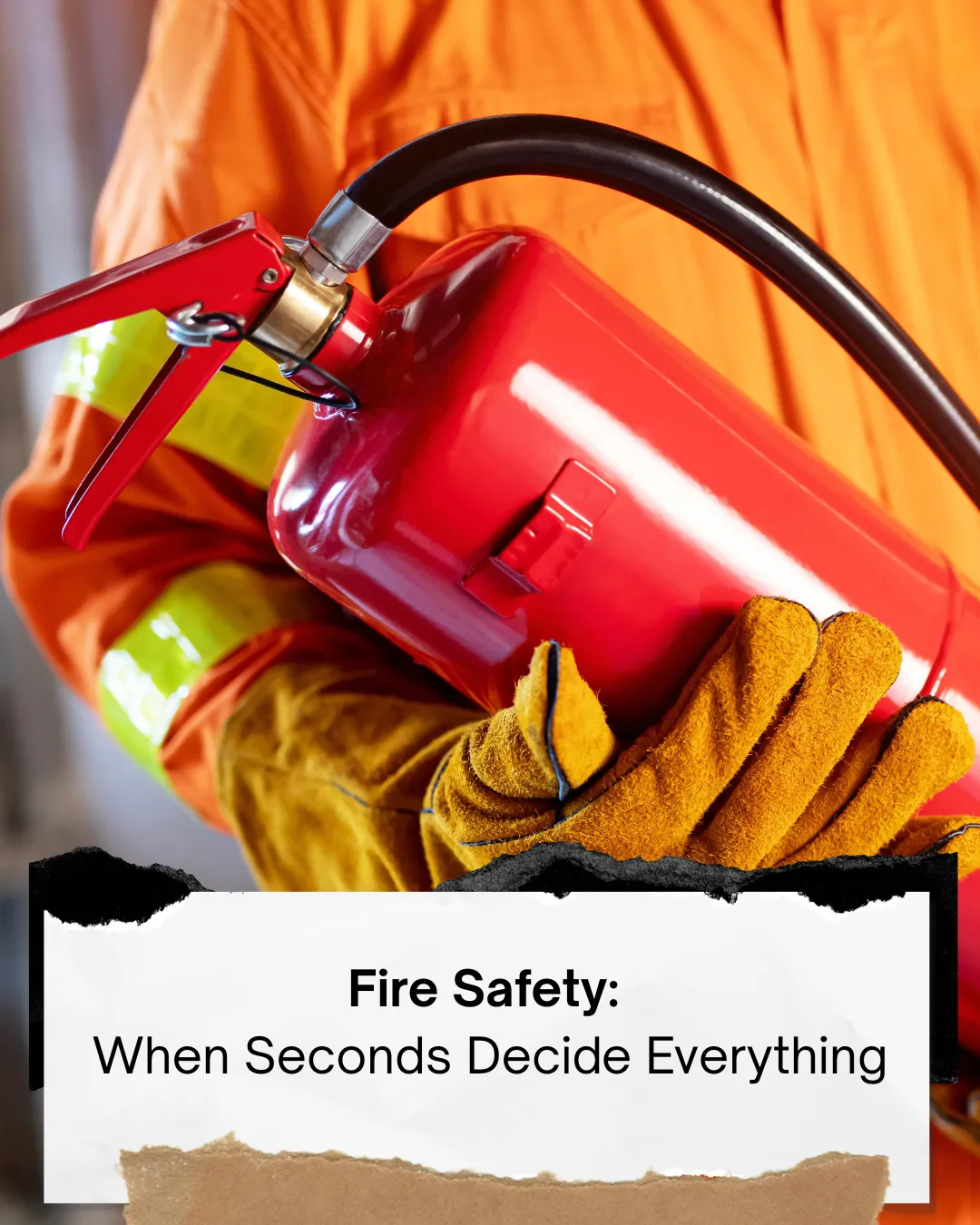
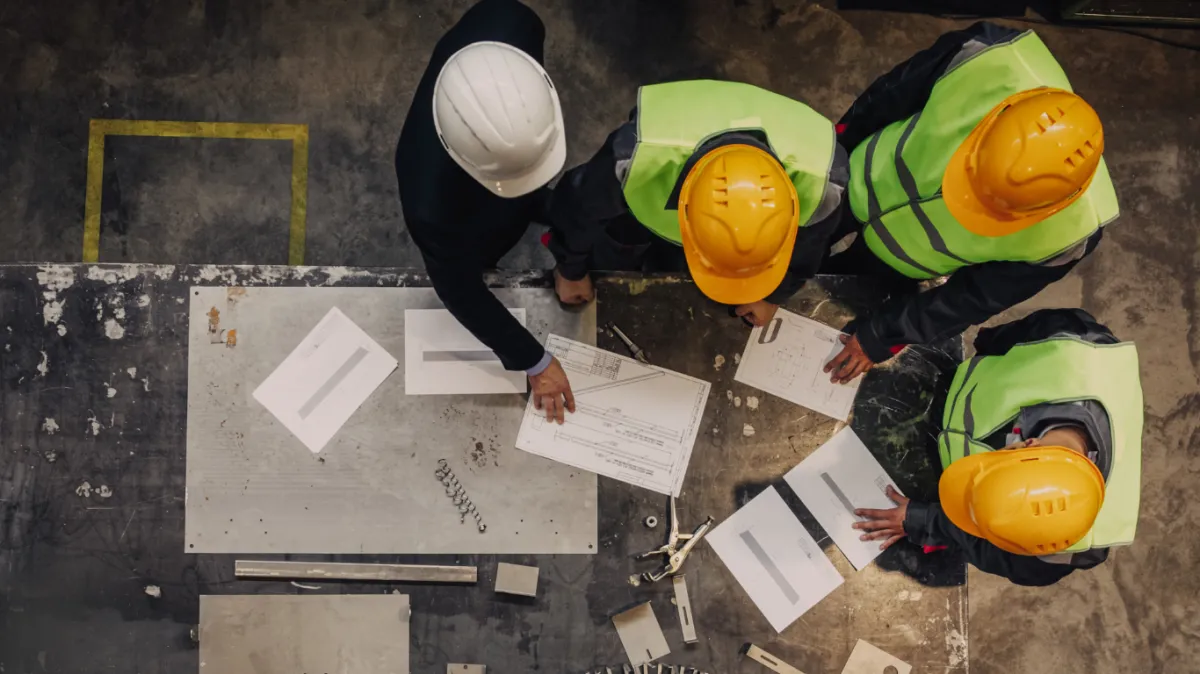
Safety Is Everyone’s Job: Why Responsibility Can’t Be Outsourced
When it comes to health and safety, the most dangerous phrase in any workplace is this:
“That’s not my responsibility.”
It’s an easy trap to fall into. We assume there’s a safety officer, a manager, or “the company” whose job it is to make sure everyone’s okay. But here’s the truth: safety can’t be outsourced.
The Myth of “Someone Else’s Job”
Neil Patel always says the biggest enemy of progress is confusion. In health and safety, confusion about responsibility breeds risk.
“The cleaner should have reported that spill.”
“The manager should’ve checked that equipment.”
“The team lead should’ve reminded us about the drill.”
These thoughts are silent assassins. They delay action. They create blind spots. They give hazards room to grow.
The reality? Everyone shares the load. Managers set the policies and provide training. Safety officers monitor compliance. But the everyday vigilance—the eyes and ears that catch the small things before they become tragedies—that belongs to every single person who walks through the door.
Small Efforts, Big Returns
Workplace safety isn’t built on dramatic heroics. It’s built on the small decisions people make every day.
Taking two seconds to pick up a cord instead of stepping over it.
Spending one minute to log a near miss.
Using ten minutes to double-check PPE before starting a job.
These are small costs. But the returns are immeasurable: lives saved, injuries avoided, lawsuits prevented, productivity maintained.
The mistake people make is thinking, “It’s just a small thing, it doesn’t matter.” In reality, it’s the small things stacked over time that determine whether a workplace runs smoothly or breaks down in crisis.
The Funnel of Safety
Think of safety like a funnel:
Awareness – Employees must know the policies and understand the risks.
Belief – They must accept that it is their responsibility, not someone else’s.
Action – They must take steps: report hazards, follow procedures, wear PPE, check on colleagues.
If any stage breaks down, the funnel leaks. A distracted employee doesn’t see the hazard. A cynical one thinks “it’s not my job.” A passive one notices but doesn’t act. To create a culture of safety, leaders must make sure the funnel stays intact.
The Cost of Silence
Every accident begins with silence.
Silence when someone noticed the loose tile.
Silence when a machine made a strange sound.
Silence when a colleague looked exhausted but no one asked.
It doesn’t take negligence to cause an accident—it just takes inaction.
Turning Responsibility Into Culture
So how do you move from “safety is a rule” to “safety is who we are”?
Lead by example. If leaders ignore hazards, so will the team.
Reward vigilance. Celebrate those who report near misses or highlight risks.
Communicate often. Safety isn’t a poster on the wall—it’s a daily conversation.
Remove friction. Make hazard reporting simple. If people need a 12-step form, they won’t do it.
Final Word
Health and safety isn’t a department. It’s not a checklist. It’s not a job title.
It’s a shared responsibility, woven into every moment of every workday. From the CEO to the intern, from the warehouse to the boardroom, safety is everyone’s job.
The sooner we accept that, the stronger, safer, and more successful our workplaces become.
Because the truth is simple:
Safety fails when we wait for someone else. Safety thrives when we all step up.
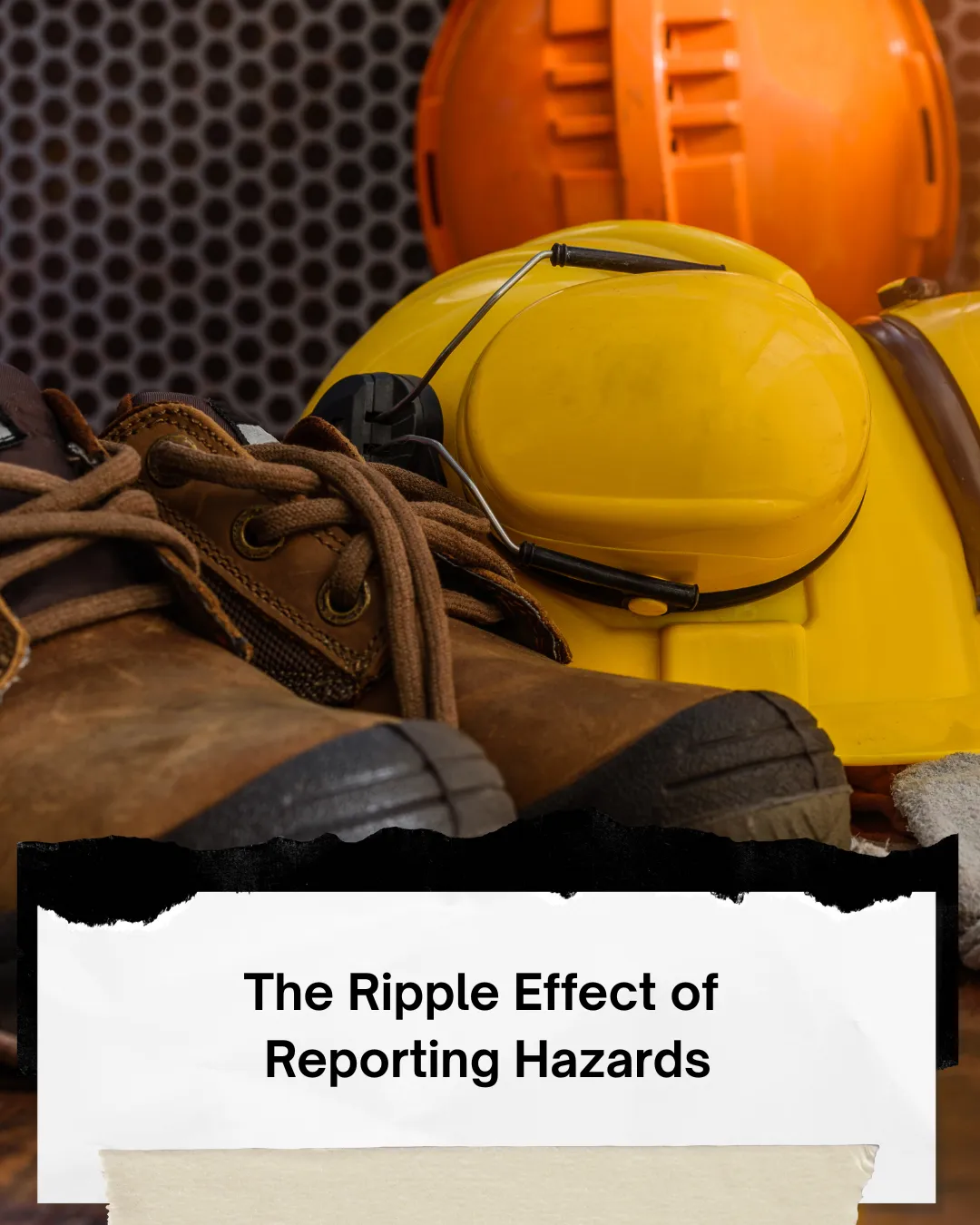
The Ripple Effect of Reporting Hazards
That moment of hesitation — “It’s small. Someone else will fix it.” — is how minor hazards turn into major accidents.
Small Hazards, Big Consequences
Most workplace accidents don’t come from rare, catastrophic events. They come from the ordinary: a spill, a loose tile, a sharp edge, a machine making a strange sound.
What makes the difference is whether people act when they see them. A hazard left unchecked grows teeth.
A hazard reported is a hazard removed.
Stop. Assess. Report.
So, what should you do when you see a hazard?
Stop – Take a moment. Don’t just walk past it.
Assess – Is this an immediate risk? If yes, warn others and, if safe, take steps to reduce the danger.
Report – Tell your supervisor, the safety officer, or use the reporting system in place. The sooner it’s logged, the sooner it’s fixed.
This isn’t bureaucracy. It’s prevention. Every report is a step towards a safer workplace.
Fighting the Urge to Ignore
Why do people ignore hazards? Usually because of one of these reasons:
“It’s not my job.”
“It’s not that serious.”
“I don’t have time right now.”
But here’s the truth: hazards don’t shrink when ignored. They multiply. Reporting them doesn’t make you a nuisance — it makes you a protector. It shows leadership and care for the people around you.
Building a Culture of Vigilance
A safe workplace isn’t built by a single safety officer patrolling every corner. It’s built when everyone keeps their eyes open.
Normalize reporting. It should be easy and encouraged, not seen as overreacting.
Celebrate action. Thank the person who spoke up instead of brushing it off.
Communicate clearly. Make sure everyone knows how and where to report hazards.
When vigilance becomes part of the culture, hazards don’t stand a chance to grow into accidents.
The Ripple Effect
One report might seem small, but it ripples outward:
The hazard gets fixed.
An accident is prevented.
A life is spared from disruption.
A company avoids costs, downtime, and stress.
What feels like a tiny act today could be the reason a co-worker gets home safely tonight.
Final Word
If you see a hazard, don’t step over it, don’t walk past it, don’t stay silent.
Stop. Assess. Report.
Because when you speak up, you don’t just remove a hazard — you set off a ripple of safety that protects everyone around you.
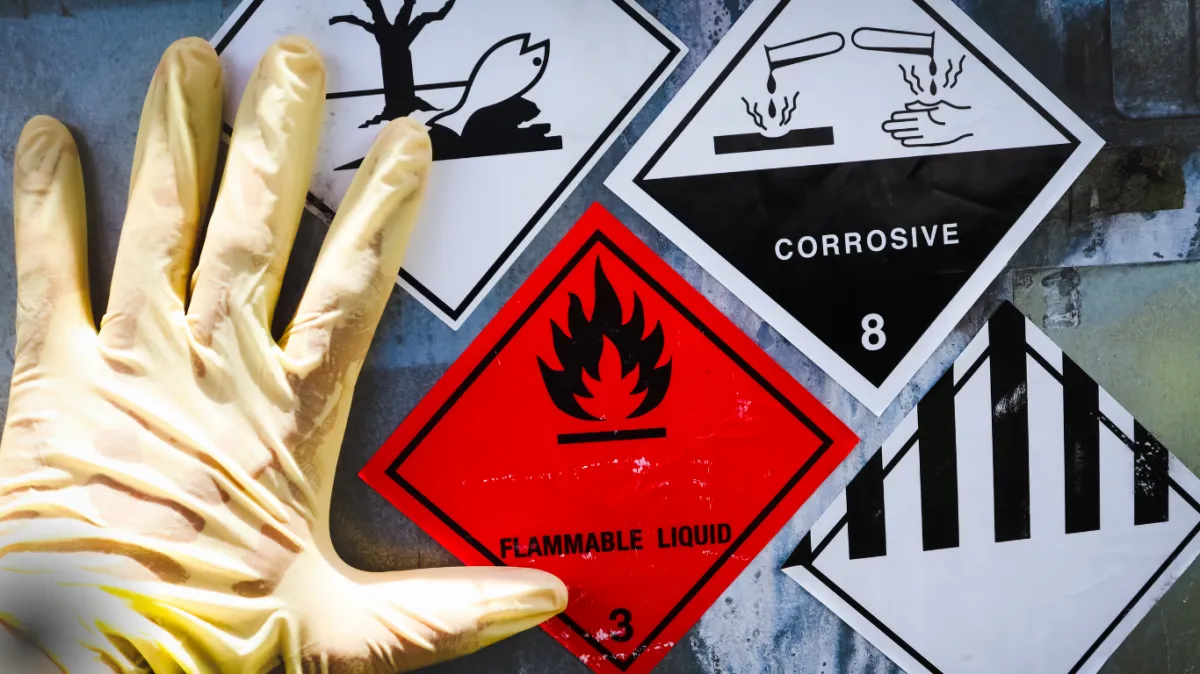
The Hidden Power of Reporting Near Misses
An accident grabs everyone’s attention. A fall, a cut, a broken bone — it’s impossible to ignore.
But what about the ladder that slipped but didn’t fall? The box that almost toppled? The hand that came a few inches from a spinning blade?
These are the near misses. Quiet moments, quickly forgotten. But they are the whispers of danger — warnings that, if ignored, will one day shout.
Why Near Misses Matter
Every serious accident has a family tree. At the root, there are usually dozens of near misses that went unreported. Each one a chance to learn, to act, to prevent.
When you report a near miss, you’re not wasting time. You’re exposing a weakness before it turns into a wound. You’re protecting the next person who might not be so lucky.
The Reporting Mindset
So how do you report an accident or near miss? The key is to treat every incident, no matter how small, as worthy of attention.
Take action immediately. If someone is injured, make sure they get help. First aid comes first.
Secure the area. Prevent others from being exposed to the same hazard.
Document what happened. Who was involved? What occurred? What was the environment like? Details matter.
Use the reporting system. Fill out the form, log it online, or tell the designated safety officer. Do it as soon as possible — ideally within 24 hours.
Follow up. Don’t just hand it off. Make sure the issue is addressed, not left on paper.
Overcoming the Excuses
Why don’t people report? Common reasons include:
“It’s not serious.”
“I don’t want to get anyone in trouble.”
“It’s too much hassle.”
“Nothing actually happened, so it doesn’t count.”
But here’s the truth: ignoring a near miss is like ignoring smoke before a fire. The absence of injury doesn’t mean the absence of danger. Reporting isn’t about blame — it’s about prevention.
Turning Reports Into Improvements
Reporting only works if action follows. That’s why it’s important for leaders to:
Respond quickly. Show that reports lead to fixes, not to dead ends.
Share learnings. Let the team know what happened and how it’s being prevented in the future.
Encourage honesty. Remove fear of punishment so employees feel safe speaking up.
When employees see their reports create change, they’re more likely to report again. And that cycle builds a culture of vigilance.
The Bigger Picture
Think of reporting like maintaining a map of hidden dangers. Each near miss plotted on the map makes the terrain clearer. Over time, patterns emerge: a slippery floor, a poorly lit corner, a machine that’s due for repair.
The more data collected, the sharper the map — and the safer the workplace.
Final Word
Accidents shout. Near misses whisper. But both tell us something critical: change is needed.
So when you see or experience a near miss, don’t brush it off. Report it. Because every report is a chance to prevent the next injury, to strengthen the workplace, and to make sure everyone goes home safe.
Don’t wait for the accident to make the point. Let the near miss speak.

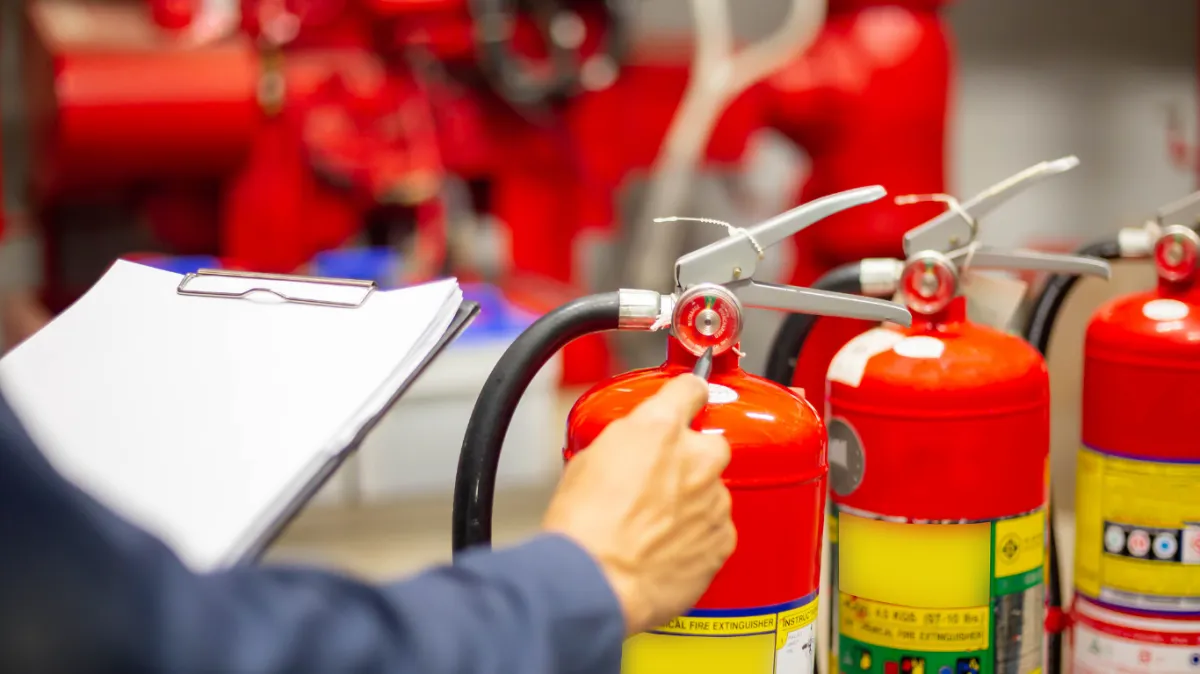
Fire Safety: When Seconds Decide Everything
Fire doesn’t wait. It doesn’t negotiate. It doesn’t give you time to think through options.
When flames break out, every second matters — and what you do in those seconds can mean the difference between order and chaos, safety and disaster. That’s why fire safety procedures exist: to replace panic with instinct, confusion with clarity.
Why Procedures Matter
In the calm of a normal day, it’s easy to dismiss fire drills or roll your eyes at yet another safety briefing. But when the alarm sounds for real, the muscle memory built in those moments is what keeps people alive.
A workplace fire is rare, but when it happens, there’s no time for guesswork. Procedures take the question mark out of the moment. They give you a script to follow when adrenaline wants to take over.
The Rule of Three: Raise, Escape, Assemble
Fire safety boils down to three simple steps:
Raise the alarm – The moment you see smoke, flames, or danger, don’t investigate. Don’t assume someone else will do it. Sound the alarm immediately and alert those nearby.
Escape safely – Leave through the nearest exit. Do not use elevators. Stay calm, move quickly, and help others if it’s safe to do so. Close doors behind you to slow the spread of smoke and flames.
Assemble and account – Head straight to the designated assembly point. Do not re-enter the building until you are officially cleared. Report to the fire marshal or supervisor so everyone can be accounted for.
Common Mistakes That Cost Time
In fire emergencies, hesitation and missteps can be just as dangerous as the fire itself. Some of the most common mistakes include:
Trying to gather belongings. Seconds spent collecting a bag or laptop can cost lives.
Ignoring alarms. Assuming it’s a drill or false alarm leads to deadly delays.
Blocking exits. Crowding or pushing creates bottlenecks. Stay calm and orderly.
Going back inside. Never return until it’s declared safe by emergency services.
Remember: property can be replaced. People cannot.
Preparation Is Protection
A fire procedure isn’t just words on paper — it’s something that must be lived and practiced.
Know your exits. Be aware of at least two escape routes from your work area.
Locate equipment. Familiarize yourself with fire extinguishers and alarms, even if you’re not the one expected to use them.
Take drills seriously. Each practice run builds the reflexes you’ll need when the real thing happens.
Assign roles. Fire marshals, first aiders, and supervisors must know their duties before an emergency strikes.
Turning Fear Into Readiness
Fire will always inspire fear — it’s human nature. But procedures exist to turn fear into action. They give you confidence that you know what to do, even when smoke is rising and alarms are blaring.
That readiness is the shield that keeps panic from spreading faster than flames.
Final Word
When fire breaks out, there is no room for “maybe” or “someone else will handle it.”
The procedure is simple:
Raise the alarm. Escape safely. Assemble and account.
It may feel repetitive when you practice it, but in the moment of truth, those steps are what carry people to safety.
Because when seconds decide everything, clarity is survival.
Training Before Tools: Why Shortcuts Are Expensive
The new machine hums quietly in the corner. You’ve seen others use it. It looks simple enough. A button here, a lever there. You think: “How hard can it be?”
That thought is where accidents are born.
Every year, countless workplace injuries come from employees using equipment without the right training. Not because they were reckless, but because they underestimated the complexity of the task. What looks easy from the outside often hides risks you can’t see until it’s too late.
The Illusion of Familiarity
We’re wired to believe we can figure things out on the fly. After all, most of us learn to use new apps, tools, or gadgets just by pressing buttons until they work. But machinery isn’t a phone app. One wrong move doesn’t mean a frozen screen — it can mean a severed hand, a chemical spill, or a fire.
The danger is that machines often look simpler than they are. Training isn’t about teaching you how to push a button. It’s about teaching you:
What happens before and after that button is pushed.
How to recognize when something’s wrong.
What to do when the unexpected happens.
Why Training Isn’t Optional
Training ensures that:
You know the risks. Every piece of equipment comes with hazards — moving parts, sharp edges, pressure, heat, or electricity.
You know the procedures. Step-by-step use, shut-down processes, and emergency protocols are often counterintuitive.
You know your limits. Some tools require protective gear, team support, or specific qualifications.
Without training, you’re not just risking yourself — you’re risking everyone around you.
The True Cost of Shortcuts
The temptation to “just get the job done” is strong, especially when deadlines loom. But shortcuts carry hidden costs:
Injuries. One mistake can sideline you for weeks or months.
Downtime. Equipment damaged by improper use can halt operations.
Fines. Employers can face heavy penalties for letting untrained staff operate machinery.
Trust. A culture of cutting corners erodes team confidence and morale.
What feels like saving time today can end up costing far more tomorrow.
Building a Culture of Preparedness
Workplaces that value safety don’t treat training as a formality — they treat it as a foundation. That means:
No shortcuts. Employees must be trained before touching equipment, no exceptions.
Ongoing refreshers. Training isn’t a once-and-done exercise. As technology and standards evolve, so must people’s knowledge.
Empowered refusal. Employees should feel confident to say, “I haven’t been trained — I can’t use this yet.” And leaders should back them up.
When training becomes part of the culture, confidence grows, accidents drop, and efficiency rises.
Final Word
Using new equipment without training might feel brave, efficient, or even harmless in the moment. But bravery without knowledge isn’t courage — it’s recklessness.
So before you touch that machine, ask yourself: Have I been trained? If the answer is no, step back. Wait. Learn.
Because shortcuts don’t save time — they steal it. And in the workplace, the cost of skipping training is far higher than the cost of taking it.
Training first. Tools second. Always.

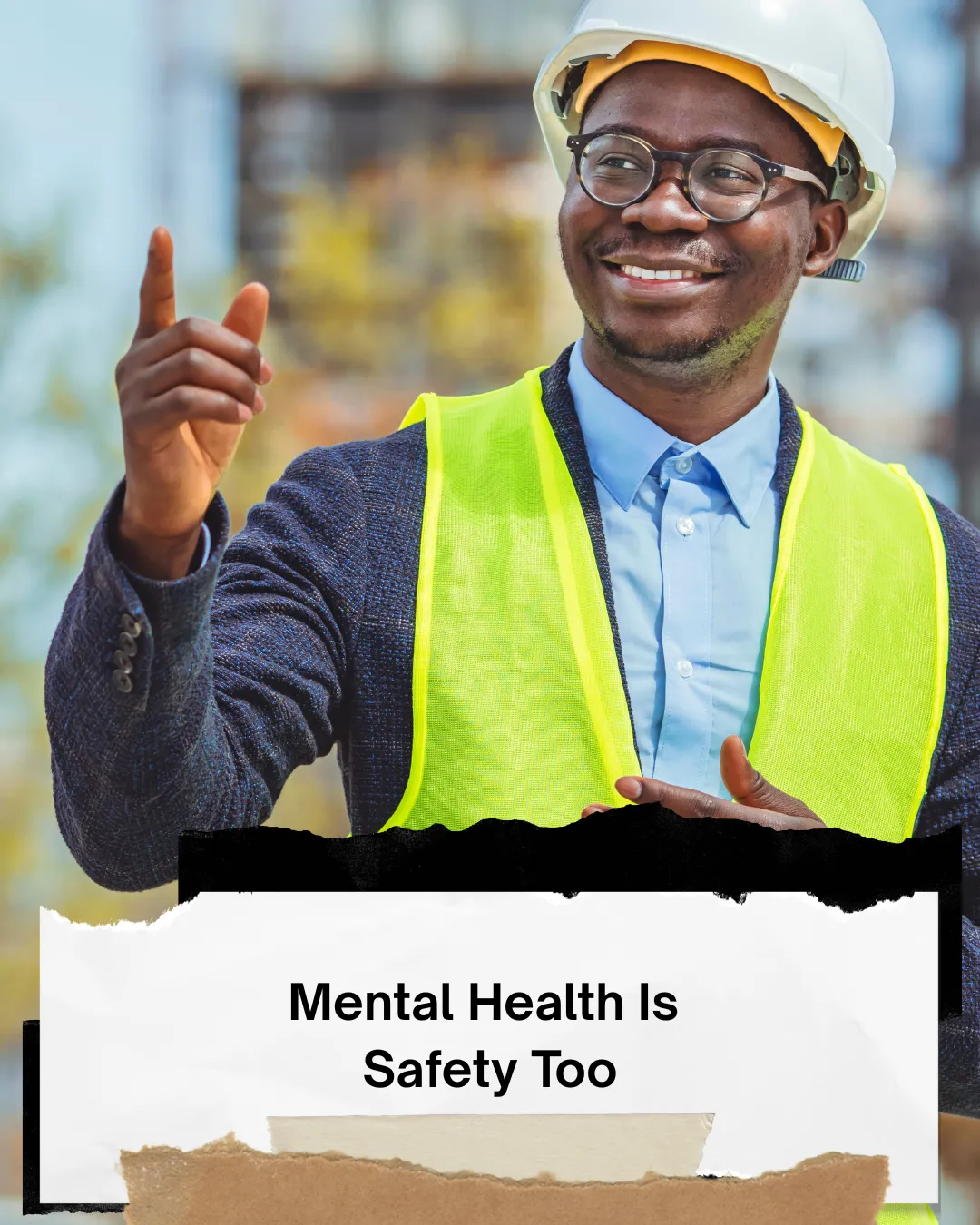
Mental Health Is Safety Too
When we talk about “health and safety,” most people picture hard hats, gloves, fire extinguishers, and warning signs.
Stress, anxiety, and burnout aren’t just personal struggles — they’re workplace hazards. A distracted mind makes mistakes. A tired brain overlooks risks. And when mental health is ignored, safety suffers.
The Invisible Side of Safety
Unlike a broken ladder or a wet floor, mental health risks aren’t always obvious. You can’t see stress building up like a puddle on the ground. But its effects show up in subtle — and dangerous — ways:
Reduced focus leads to accidents.
Fatigue lowers reaction times.
Irritability sparks conflict.
Withdrawal damages teamwork.
A safe workplace isn’t just one free of physical hazards. It’s one where people are mentally equipped to do their jobs without constant strain.
Breaking the Silence
For too long, conversations about mental health at work were silenced by stigma. People feared being seen as weak, unreliable, or dramatic. That silence created cracks in the foundation of workplace safety.
But the tide is shifting. More companies are recognizing that mental well-being is not a luxury — it’s a necessity. Speaking up about stress or burnout is not weakness. It’s responsibility.
What Support Looks Like
Supporting mental health doesn’t mean reinventing the workplace. It means making sure employees know there are resources and that leaders take concerns seriously. Examples include:
Open conversations. Encouraging employees to speak up about workload, pressure, and burnout without fear of judgment.
Access to resources. Employee assistance programs, counseling services, or workshops on managing stress.
Flexible solutions. Adjustments in workload, time off, or flexible scheduling when stress becomes overwhelming.
Supportive leadership. Managers trained to spot warning signs and respond with empathy, not dismissal.
Everyone Has a Role
Just like physical safety, mental health is a shared responsibility.
Leaders must create environments where speaking up is safe.
Colleagues must look out for each other, noticing when someone seems overwhelmed or withdrawn.
Individuals must take responsibility for their own well-being, asking for help when needed.
When everyone plays their part, the workplace becomes stronger, safer, and more sustainable.
Turning Well-Being Into Culture
The ultimate goal isn’t just to have “mental health resources” available. It’s to weave mental well-being into the culture of the organization.
That means:
Talking about it openly.
Normalizing the ups and downs of stress.
Treating time off for mental recovery the same as time off for physical recovery.
When mental health is normalized, safety stops being just about physical hazards. It becomes about protecting the whole person.
Final Word
Safety is more than helmets and fire drills. It’s also about ensuring the people wearing the helmets and attending the drills are healthy, focused, and supported.
Stress and burnout don’t just affect individuals — they affect teams, productivity, and safety itself.
So the question isn’t whether mental health belongs in safety conversations. The question is whether we can afford to leave it out. And the answer is clear: we can’t.
Because a safe workplace isn’t just one free of accidents. It’s one where minds are steady, spirits are strong, and people know they’re never alone.

Nexus Safety Solutions delivers end-to-end workplace safety — from equipment and fire protection to certified training and compliance management. We make safety simple, measurable, and reliable.
Nexus Safety Solutions delivers end-to-end workplace safety — from equipment and fire protection to certified training and compliance management. We make safety simple, measurable, and reliable.


All Rights Reserved.

Facebook